001
“Happiness is a good flow of life.”
The complete Wikiquote corpus for the principal Stoic voices — Zeno, Chrysippus, Seneca, Epictetus and Marcus Aurelius — grouped by author, searchable, and downloadable as social cards. (Cleanthes and Musonius Rufus have no Wikiquote entry.)
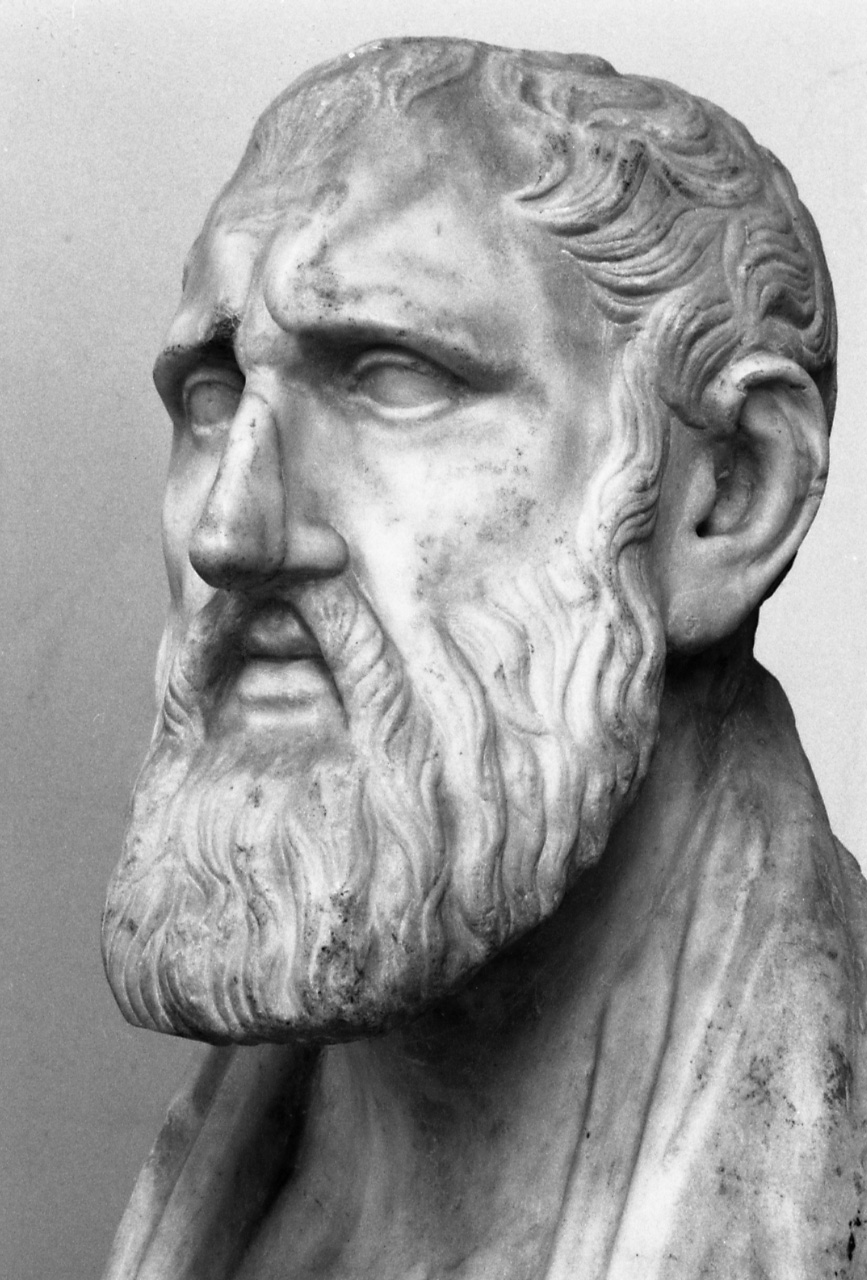
“Happiness is a good flow of life.”
“No one entrusts a secret to a drunken man; but one will entrust a secret to a good man; therefore, the good man will not get drunk.”
“(The end is) life in agreement with nature”
“Love is a God, who cooperates in securing the safety of the city.”
“All the good are friends of one another.”
“We have two ears and one mouth, so we should listen more than we say.”
“No evil is honorable; but death is honorable; therefore death is not evil.”
“A bad feeling is a commotion of the mind repugnant to reason, and against nature.”
“That which exercises reason is more excellent than that which does not exercise reason; there is nothing more excellent than the universe, therefore the universe exercises reason.”
“If melodiously piping flutes sprang from the olive, would you doubt that a knowledge of flute-playing resided in the olive? And what if plane trees bore harps which gave forth rhythmical sounds? Clearly you would think in the same way that the art of music was possessed by plane trees. Why, then, seeing that the universe gives birth to beings that are animate and wise, should it not be considered animate and wise itself?”
Source: each author’s page on en.wikiquote.org — translations and citations follow that page. Cleanthes and Musonius Rufus do not currently have Wikiquote articles and are omitted here.